Studio albums released by Kenny Rogers as a solo artist
Kenny Rogers: Discography
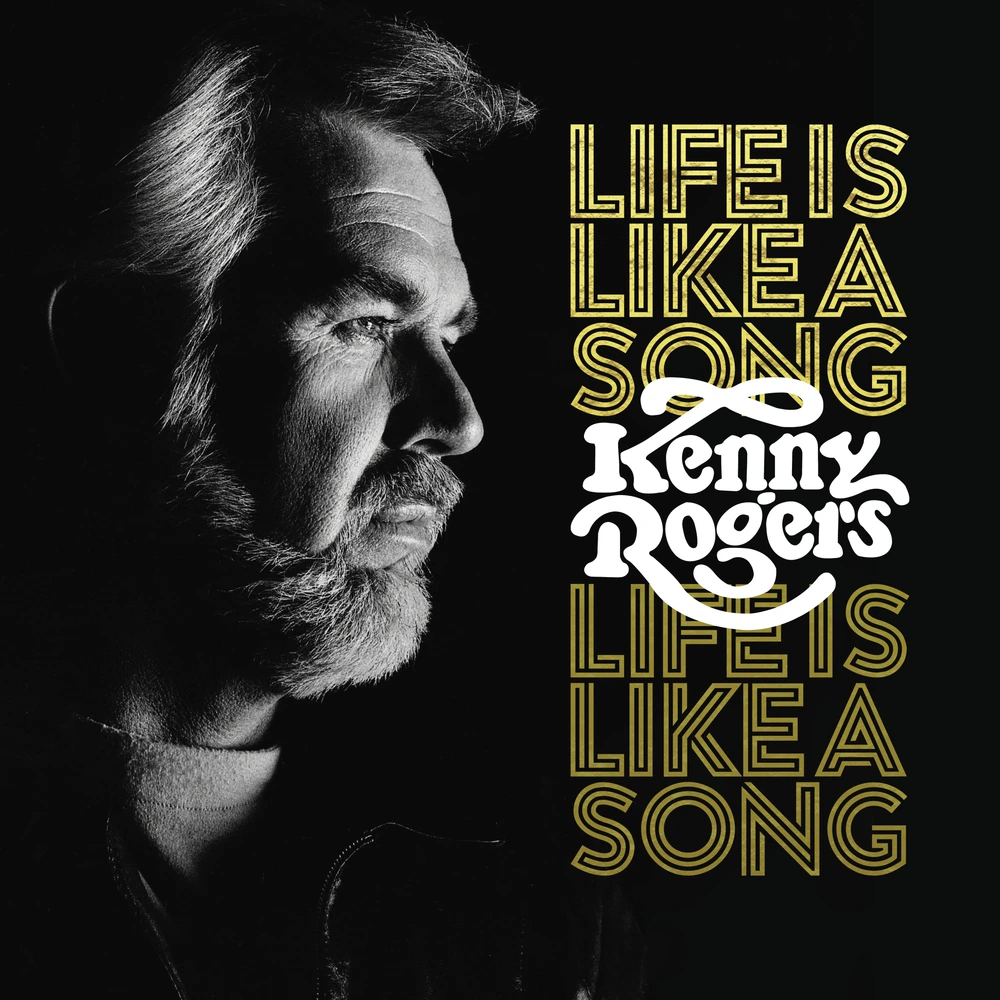
LIFE IS LIKE A SONG
Kenny Rogers
Released: June 2, 2023
Executive Producers: Wanda Rogers, Ken Levitan, Jason Henke
Life Is Like a Song (UMe/Universal Music Enterprises/Universal Music Group) stands as a deeply personal posthumous release from Kenny Rogers. More than an archival collection from The Kenny Rogers Vault, the album unfolds as a carefully sequenced song cycle—one that mirrors the arc of his life and, most intimately, his enduring love story with his wife, Wanda.
Curated by Wanda Rogers from recordings made between 2008–2011, the album moves through passion, partnership, fatherhood, devotion, loss, and ultimately, goodbye. In listening from beginning to end, we are invited into something more than music—we are invited into memory.
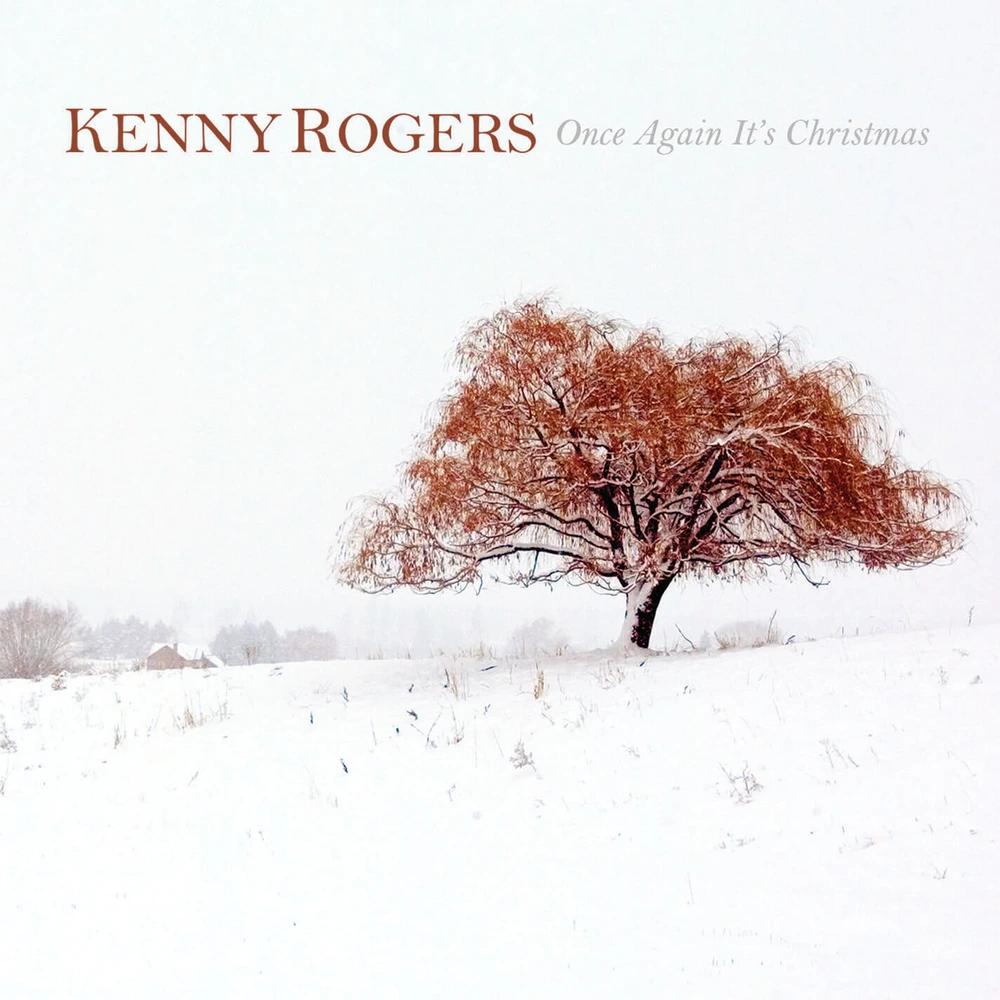
ONCE AGAIN IT'S CHRISTMAS
Kenny Rogers
Released: September 25, 2015
Produced by Kyle Lehning & Warren Hartman
"Children Go Where I Send Thee" (feat. Home Free)
Produced by Darren Rust, Kyle Lehning & Warren Hartman
"That Silent Night" (feat. Jim Brickman)
Produced by Steve Sundholm & Jim Brickman
A&R: Cris Lacy, Jason Henke, Rebekah Gordon
Produced by Kyle Lehning & Warren Hartman
"Children Go Where I Send Thee" (feat. Home Free)
Produced by Darren Rust, Kyle Lehning & Warren Hartman
"That Silent Night" (feat. Jim Brickman)
Produced by Steve Sundholm & Jim Brickman
A&R: Cris Lacy, Jason Henke, Rebekah Gordon
At the time of this album release, Rogers had already taken his famous Christmas and Hits Tour across North America for 34 years running, and his albums have been part of families’ holiday seasons for generations. That deep understanding of what makes Christmas so special for so many is part of what makes Once Again It’s Christmas (Warner Bros./Warner Music Nashville) — Rogers’ first Christmas studio album in 17 years — special in itself. The other reasons are easier to sum up: Alison Krauss, Jennifer Nettles, country a capella group Home Free, pianist Jim Brickman, and sister duo Winfield’s Locket all lend their talents to the Warner Bros. edition of the release, and The Time Jumpers (with Vince Gill) serve as the backing band for the exclusive track found only on the Cracker Barrel edition of the release. Then there’s Kenny himself. Inspired by these collaborations, his vocal artistry — the musicianship that’s easy to miss beneath the glow of his famously fireplace-warm vocals – has never been better. Produced by Kyle Lehning and former Kenny Rogers band member Warren Hartman, with plenty of input from Kenny, the album folds varied influences from throughout his storied career into a lush, cohesive sound.
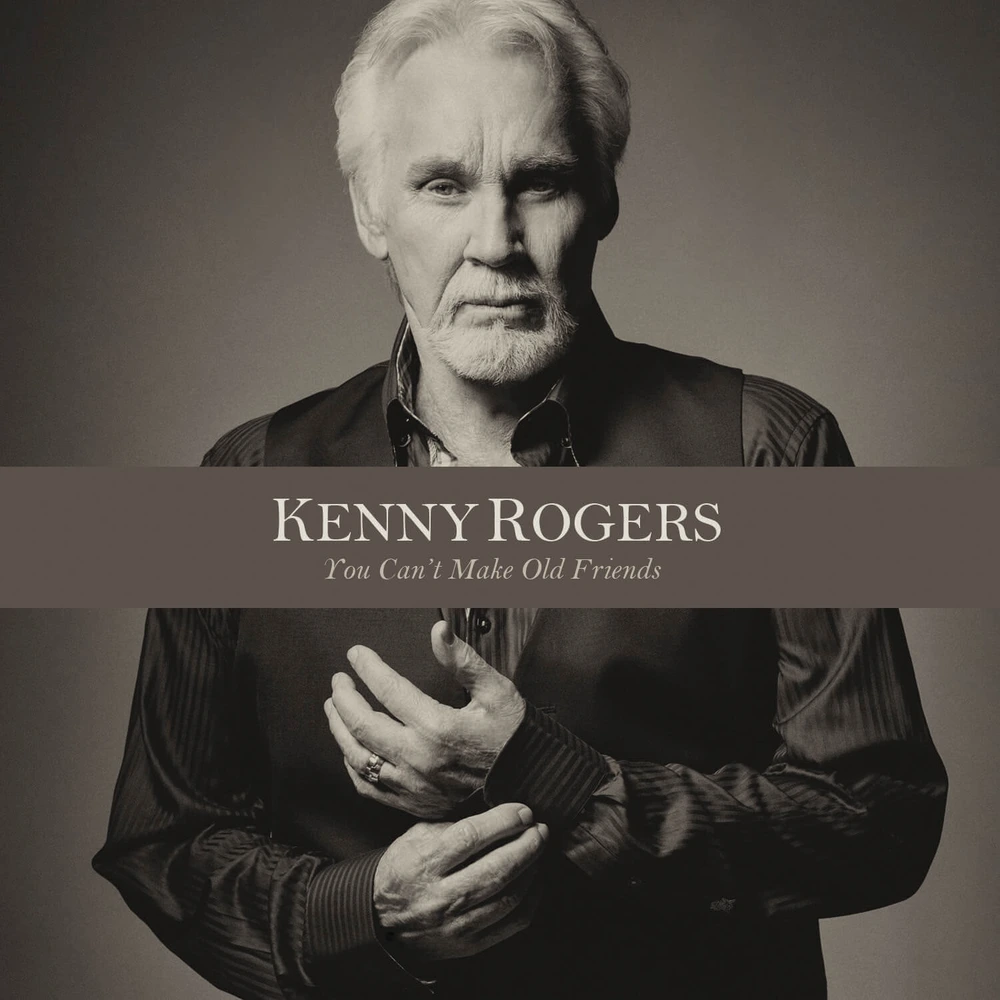
YOU CAN'T MAKE OLD FRIENDS
Kenny Rogers
Released: October 8, 2013
2014 GRAMMY® AWARD NOMINATION: "You Can't Make Old Friends" -
Kenny Rogers & Dolly Parton - Best Country Duo/Group Performance
2014 CMA AWARD NOMINATION: "You Can't Make Old Friends" -
Kenny Rogers & Dolly Parton - Musical Event of the Year
Produced by Kyle Lehning, Warren Hartman, Dann Huff
A&R: Cris Lacy, Jason Henke, Rebekah Sterk
You Can’t Make Old Friends (Warner Bros.) was released to critical acclaim in 2013, the same year that Kenny was inducted into the Country Music Hall of Fame and became the recipient of the second-ever CMA Lifetime Achievement Award. Kenny garnered a GRAMMY® Award nomination and CMA (Country Music Association) Award nomination along with his duet partner, Dolly Parton, on the touching title track. There are the captivating story songs and the sincere love songs Rogers’ fans have come to expect and love, but the country and pop superstar also shows his versatility with flavors of Rock & Roll, Soul, Gospel, Southern Rock, and Zydeco, as well as sounds of the Southwest interspersed throughout this bold recording.
2014 GRAMMY® AWARD NOMINATION: "You Can't Make Old Friends" -
Kenny Rogers & Dolly Parton - Best Country Duo/Group Performance
2014 CMA AWARD NOMINATION: "You Can't Make Old Friends" -
Kenny Rogers & Dolly Parton - Musical Event of the Year
Produced by Kyle Lehning, Warren Hartman, Dann Huff
A&R: Cris Lacy, Jason Henke, Rebekah Sterk
You Can’t Make Old Friends (Warner Bros.) was released to critical acclaim in 2013, the same year that Kenny was inducted into the Country Music Hall of Fame and became the recipient of the second-ever CMA Lifetime Achievement Award. Kenny garnered a GRAMMY® Award nomination and CMA (Country Music Association) Award nomination along with his duet partner, Dolly Parton, on the touching title track. There are the captivating story songs and the sincere love songs Rogers’ fans have come to expect and love, but the country and pop superstar also shows his versatility with flavors of Rock & Roll, Soul, Gospel, Southern Rock, and Zydeco, as well as sounds of the Southwest interspersed throughout this bold recording.
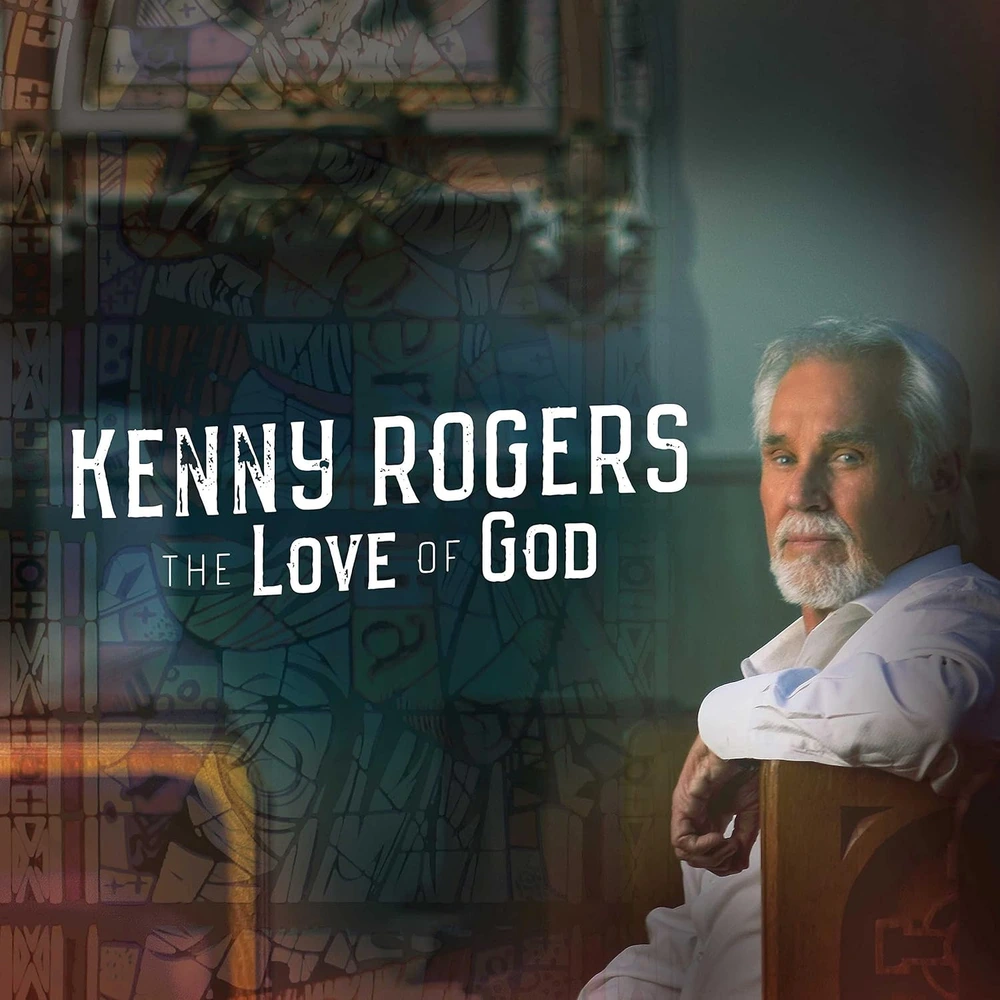
THE LOVE OF GOD
Kenny Rogers
Released: March 7, 2011
Produced by Kyle Lehning & Warren Hartman
Executive Producer: Jim Mazza
A&R Director: Jason Henke
The Love of God is an inspirational collection of classic songs that were special to Kenny Rogers dating back to his childhood ("In The Sweet By And By," "Will The Circle Be Unbroken," "I'll Fly Away," "What A Friend We Have In Jesus" and "Amazing Grace"), along with beautiful recordings of contemporary songs such as "Peace" (co-written by Michael McDonald), "The Rock Of Your Love (co-written by Vince Gill), and "Grace" (co-written by Michael W. Smith). Featuring special guests The Whites, Point of Grace and Winfield’s Locket (and on the Deluxe Edition, a previously unreleased track, "The Gospel Truth," with The Oak Ridge Boys—the only studio recording of Kenny & The Oaks in existence), this remarkable album was produced by Kyle Lehning and Warren Hartman and recorded at Sound Emporium and The Compound in Nashville with some of Music City's best session players. This heartfelt project stands out in Kenny's vast catalog as his only gospel album.
Produced by Kyle Lehning & Warren Hartman
Executive Producer: Jim Mazza
A&R Director: Jason Henke
The Love of God is an inspirational collection of classic songs that were special to Kenny Rogers dating back to his childhood ("In The Sweet By And By," "Will The Circle Be Unbroken," "I'll Fly Away," "What A Friend We Have In Jesus" and "Amazing Grace"), along with beautiful recordings of contemporary songs such as "Peace" (co-written by Michael McDonald), "The Rock Of Your Love (co-written by Vince Gill), and "Grace" (co-written by Michael W. Smith). Featuring special guests The Whites, Point of Grace and Winfield’s Locket (and on the Deluxe Edition, a previously unreleased track, "The Gospel Truth," with The Oak Ridge Boys—the only studio recording of Kenny & The Oaks in existence), this remarkable album was produced by Kyle Lehning and Warren Hartman and recorded at Sound Emporium and The Compound in Nashville with some of Music City's best session players. This heartfelt project stands out in Kenny's vast catalog as his only gospel album.
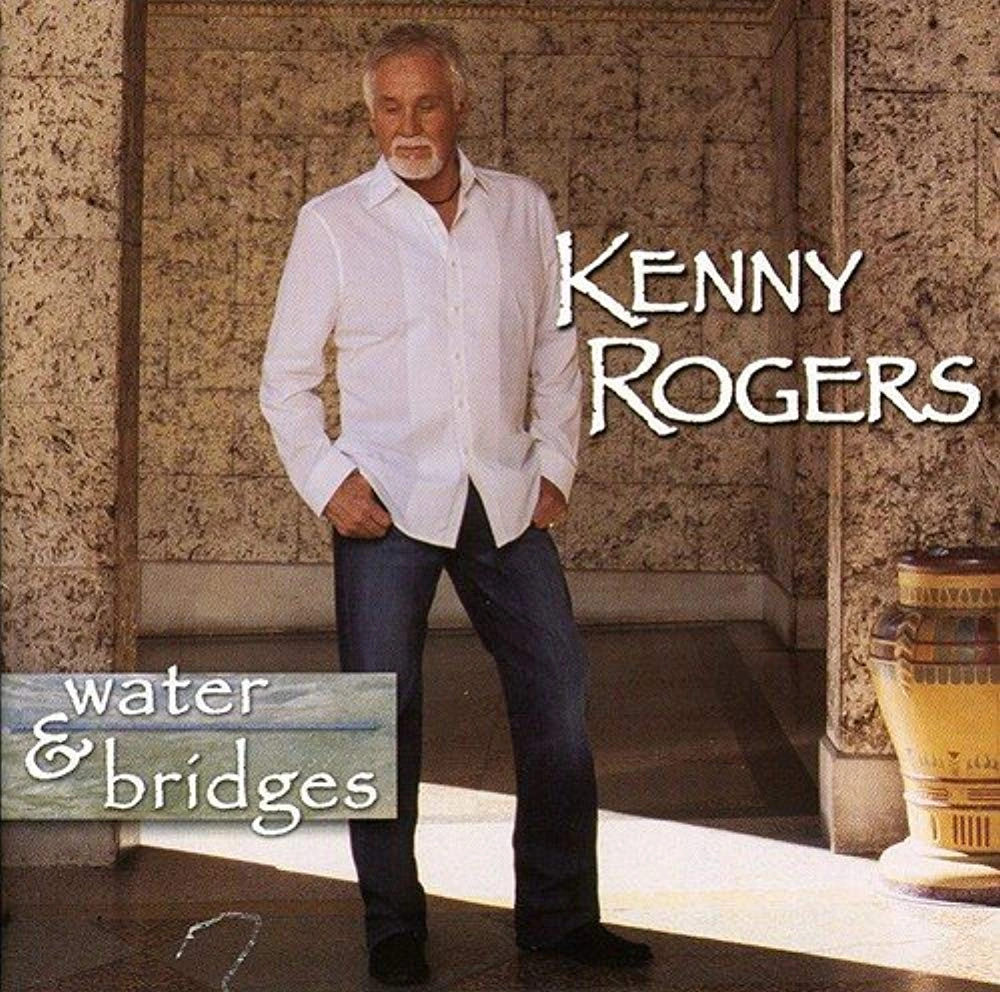
WATER & BRIDGES
Kenny Rogers
Released: March 21, 2006
2007 GRAMMY® AWARD NOMINATION: "Calling Me" -
Kenny Rogers & Don Henley - Best Country Collaboration with Vocals
Produced by Dann Huff
Water & Bridges (Capitol Records Nashville) includes the Top 20 "comeback" hit "I Can't Unlove You," "The Last Ten Years (Superman)" and "Calling Me," the soulful, GRAMMY® nominated duet with Don Henley. Powered by those tracks and such compelling recordings as "Someone Is Me," "I Can Feel You Drifting," "You'll Know Love," and "One Life," Water & Bridges reached No. 5 on the Country charts and received critical acclaim, highlighting Rogers' continued relevance.
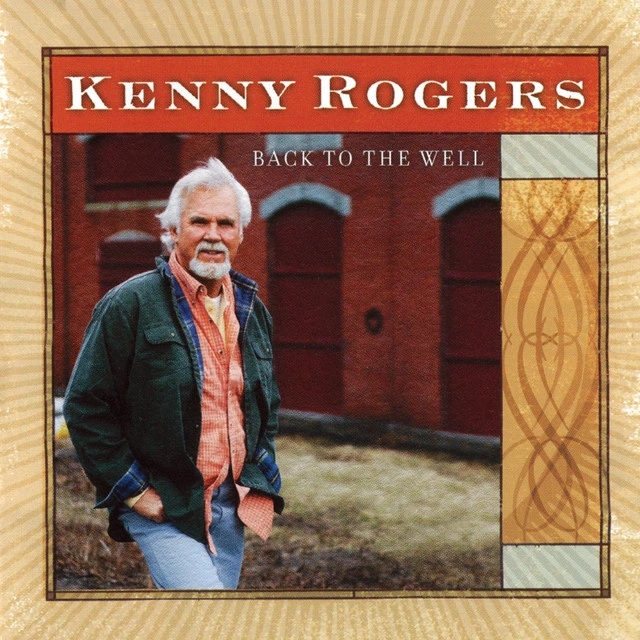
BACK TO THE WELL
Kenny Rogers
Released: September 23, 2003
Produced by Kenny Rogers, Joe Chemay, John Guess, Brent Maher, Phil Vassar
Executive Producer: Jim Mazza
Back to the Well, released on Kenny Rogers' independent label, Dreamcatcher Records, in the fall of 2003, features timeless collaborations with Tim McGraw ("Owe Them More Than That"), Dolly Parton ("Undercover"), and Alison Krauss on the album's third single, "Love Like That." The collection also features the breezy, bluegrass-infused title track, fan favorites "Harder Cards" and "Handprints On The Wall" alongside a moving cover of "Prairie Wedding," a song composed by lauded guitarist/Dire Straits frontman Mark Knopfler.
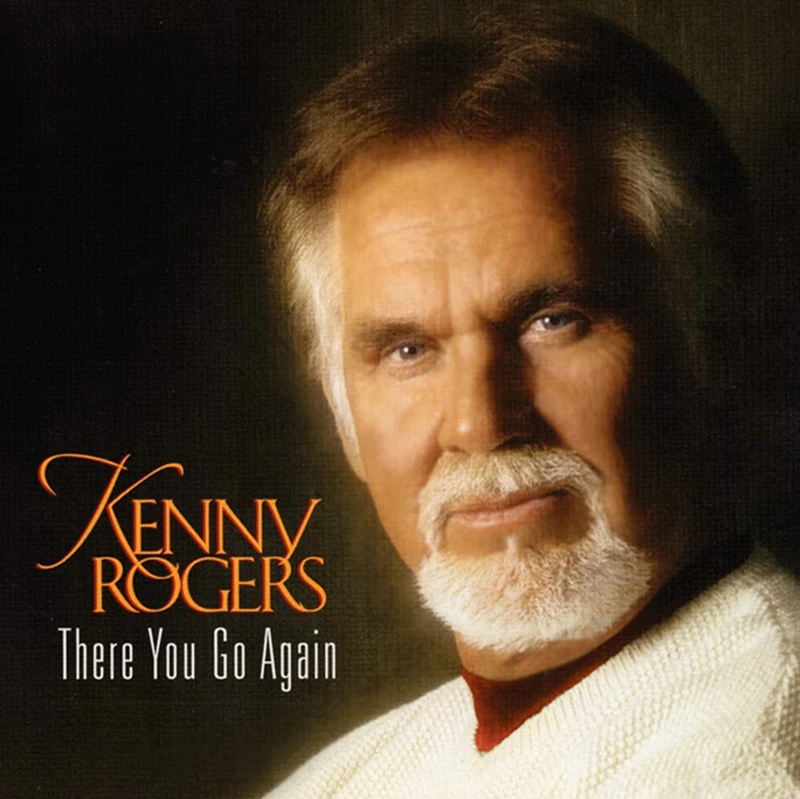
THERE YOU GO AGAIN
Kenny Rogers
Released: October 3, 2000
Produced by Kenny Rogers, Brent Maher, Richard Marx, Jim McKell
Executive Producer: Jim Mazza
Featuring guest vocal appearances from a star-studded lineup of artists including Richard Marx, Alison Krauss, Brad Paisley, Steve Wariner, Diamond Rio, Collin Raye, Suzy Bogguss, John Cowan, Linda Davis, Mark Selby and more, There You Go Again (Dreamcatcher Records) became Kenny Rogers' 22nd Top 20 Country Album. From the singles "He Will, She Knows"; "There You Go Again"," "Homeland," and "Beautiful (All That You Could Be)" to the churning harmonica-driven blues of "Blue Train" and some of the most reflective work Rogers has ever done in "I Wish I Could Say That" and "When We Made Love" (with Linda Davis), the album features a varied set of tunes from one of the world's most popular and best-selling artists of all time.
Produced by Kenny Rogers, Brent Maher, Richard Marx, Jim McKell
Executive Producer: Jim Mazza
Featuring guest vocal appearances from a star-studded lineup of artists including Richard Marx, Alison Krauss, Brad Paisley, Steve Wariner, Diamond Rio, Collin Raye, Suzy Bogguss, John Cowan, Linda Davis, Mark Selby and more, There You Go Again (Dreamcatcher Records) became Kenny Rogers' 22nd Top 20 Country Album. From the singles "He Will, She Knows"; "There You Go Again"," "Homeland," and "Beautiful (All That You Could Be)" to the churning harmonica-driven blues of "Blue Train" and some of the most reflective work Rogers has ever done in "I Wish I Could Say That" and "When We Made Love" (with Linda Davis), the album features a varied set of tunes from one of the world's most popular and best-selling artists of all time.
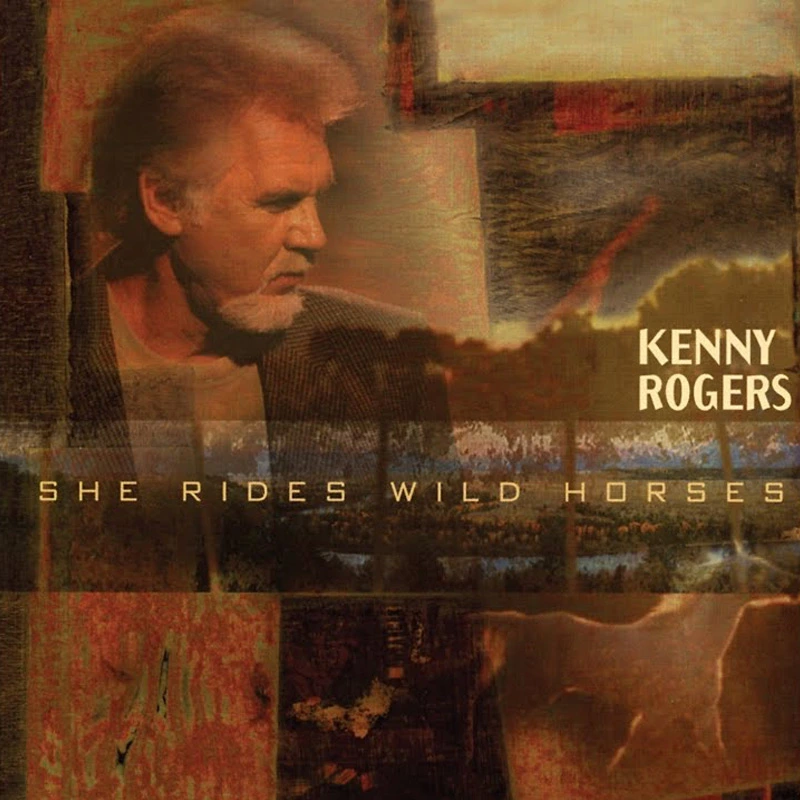
SHE RIDES WILD HORSES
Kenny Rogers
Released: May 11, 1999
2000 CMA AWARD: Career Achievement Award
2000 CMA AWARD NOMINATION: "Buy Me A Rose" -
Kenny Rogers feat. Alison Krauss & Billy Dean - Single of the Year
(Dreamcatcher Records)
2000 ACM AWARD NOMINATION: "Buy Me A Rose" -
Kenny Rogers feat. Alison Krauss & Billy Dean - Vocal Event of the Year
(Producers: Kenny Rogers & Brent Maher)
Produced by Kenny Rogers, Brent Maher, Jim McKell
Executive Producer: Jim Mazza
She Rides Wild Horses is the 23rd studio album by Kenny Rogers and the first to be released on Rogers' own Dreamcatcher Records label. The first single from the project: "The Greatest" (written by "The Gambler" writer, Don Schlitz), returned Rogers to the country charts for the first time in nearly eight years, spending 20 weeks on the Billboard Hot Country Singles & Tracks (now Hot Country Songs) chart and peaking at #26, while becoming a #1 video on CMT. "Slow Dance More" was the second single out of the gate but did not place in the Top 40. What was about to happen next with third single, "Buy Me a Rose," was one for the record books. Joined by Alison Krauss and Billy Dean on backing vocals, Rogers went to #1 on the country charts (his first since 1987) and #40 on the Billboard Hot 100. Remarkably, the song also made Rogers (who was 61 when the song hit the top spot) the oldest country artist at the time to achieve a #1 hit. The album hit #6 on the Billboard Top Country Albums chart.
2000 CMA AWARD: Career Achievement Award
2000 CMA AWARD NOMINATION: "Buy Me A Rose" -
Kenny Rogers feat. Alison Krauss & Billy Dean - Single of the Year
(Dreamcatcher Records)
2000 ACM AWARD NOMINATION: "Buy Me A Rose" -
Kenny Rogers feat. Alison Krauss & Billy Dean - Vocal Event of the Year
(Producers: Kenny Rogers & Brent Maher)
Produced by Kenny Rogers, Brent Maher, Jim McKell
Executive Producer: Jim Mazza
She Rides Wild Horses is the 23rd studio album by Kenny Rogers and the first to be released on Rogers' own Dreamcatcher Records label. The first single from the project: "The Greatest" (written by "The Gambler" writer, Don Schlitz), returned Rogers to the country charts for the first time in nearly eight years, spending 20 weeks on the Billboard Hot Country Singles & Tracks (now Hot Country Songs) chart and peaking at #26, while becoming a #1 video on CMT. "Slow Dance More" was the second single out of the gate but did not place in the Top 40. What was about to happen next with third single, "Buy Me a Rose," was one for the record books. Joined by Alison Krauss and Billy Dean on backing vocals, Rogers went to #1 on the country charts (his first since 1987) and #40 on the Billboard Hot 100. Remarkably, the song also made Rogers (who was 61 when the song hit the top spot) the oldest country artist at the time to achieve a #1 hit. The album hit #6 on the Billboard Top Country Albums chart.
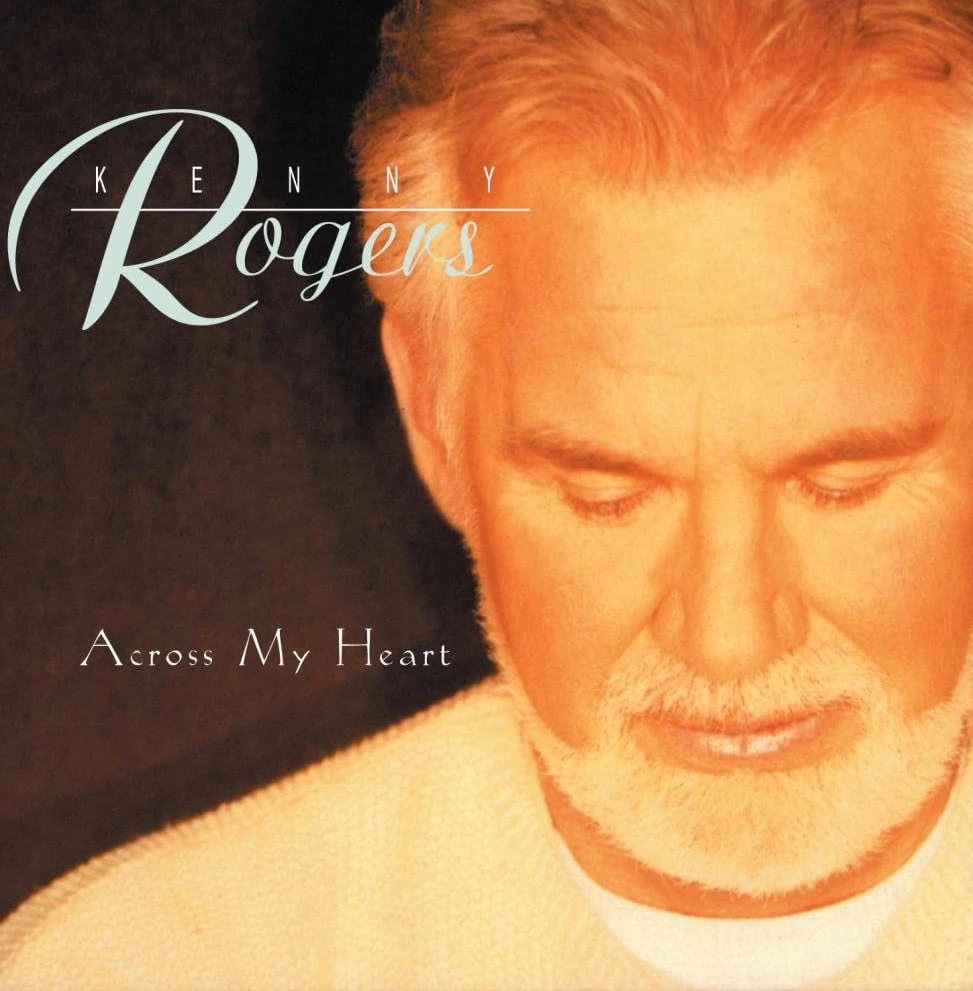
ACROSS MY HEART
Kenny Rogers
Released: July 15, 1997
Produced by Brent Maher
Executive Producer: Jim Mazza
Across My Heart (Magnatone Records), produced by Brent Maher, producer/engineer of six GRAMMY® Award-winning records who discovered The Judds and also worked with the likes of Olivia Newton-John, Tina Turner, Merle Haggard, and Dottie West, was a Top 30 album on the Billboard country chart despite not producing any radio hits. Album highlights include the ballad "To Me" (co-written by Mack David and "I Can't Make You Love Me" songwriter Mike Reid) which became a mainstay of Rogers' live concert performances alongside still photos and video of him spending time with his wife, Wanda, and twin boys, Justin & Jordan; "As God Is My Witness," a song Rogers co-wrote (with bandmates Steve Glassmeyer and Warren Hartman) for Wanda, his new bride at the time; and the emotional, powerful album-closer "See Me Through." Guest vocalists joining Kenny on the record include Michael McDonald, Kim Carnes, All-4-One, The Katinas, Tareva Henderson, and Bekka (Bramlett) & Billy (Burnette).
Produced by Brent Maher
Executive Producer: Jim Mazza
Across My Heart (Magnatone Records), produced by Brent Maher, producer/engineer of six GRAMMY® Award-winning records who discovered The Judds and also worked with the likes of Olivia Newton-John, Tina Turner, Merle Haggard, and Dottie West, was a Top 30 album on the Billboard country chart despite not producing any radio hits. Album highlights include the ballad "To Me" (co-written by Mack David and "I Can't Make You Love Me" songwriter Mike Reid) which became a mainstay of Rogers' live concert performances alongside still photos and video of him spending time with his wife, Wanda, and twin boys, Justin & Jordan; "As God Is My Witness," a song Rogers co-wrote (with bandmates Steve Glassmeyer and Warren Hartman) for Wanda, his new bride at the time; and the emotional, powerful album-closer "See Me Through." Guest vocalists joining Kenny on the record include Michael McDonald, Kim Carnes, All-4-One, The Katinas, Tareva Henderson, and Bekka (Bramlett) & Billy (Burnette).
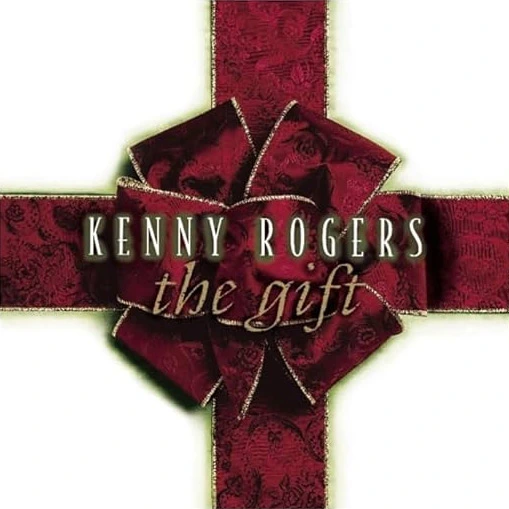
THE GIFT
Kenny Rogers
Release: August 20, 1996
Produced by Brent Maher & Jim McKell
The Gift (Magnatone Records) features one of the most popular holiday duets ever recorded: Kenny Rogers & Wynonna Judd's "Mary, Did You Know?" The duet charted at #55 on the Billboard Hot Country Songs chart in 1997. The Christmas Story is effectively told through that track, as well as some of Rogers' best holiday recordings (which is saying a lot), including "Pretty Little Baby Child," "What A Wonderful Beginning," "It's The Messiah," and "I Trust You."
Produced by Brent Maher & Jim McKell
The Gift (Magnatone Records) features one of the most popular holiday duets ever recorded: Kenny Rogers & Wynonna Judd's "Mary, Did You Know?" The duet charted at #55 on the Billboard Hot Country Songs chart in 1997. The Christmas Story is effectively told through that track, as well as some of Rogers' best holiday recordings (which is saying a lot), including "Pretty Little Baby Child," "What A Wonderful Beginning," "It's The Messiah," and "I Trust You."
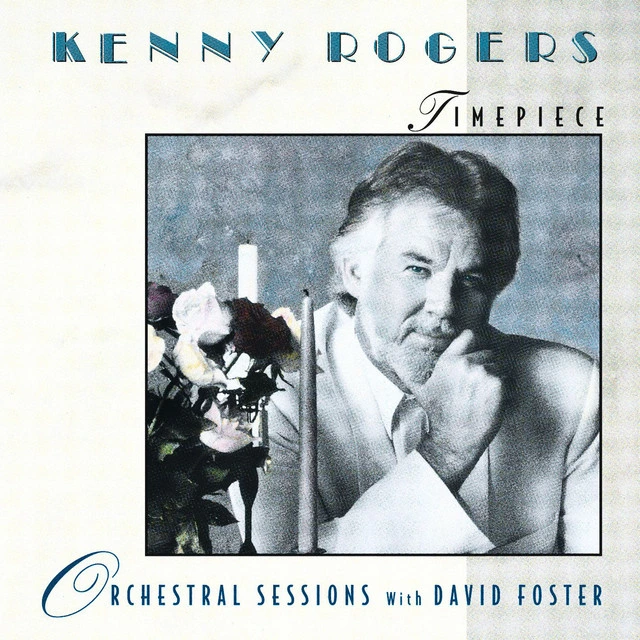
TIMEPIECE
Kenny Rogers
Released: October 4, 1994
Produced by David Foster
Co-Produced & Arranged by Jeremy Lubbock & Johnny Mandel
Timepiece (143/Atlantic Records) is one of the records Kenny Rogers most loved to record. This extraordinary and timeless album produced by David Foster in California with a lush 138-piece orchestra finds Rogers and his ever-versatile and charismatic voice covering 1930s, 1940s and 1950s jazz and pop standards such as "The Nearness Of You," "My Funny Valentine," "I Remember You," "But Beautiful," "My Romance," "In The Wee Small Hours Of The Morning," and "I Get Along Without You Very Well." Celebrated lyricists such as Ira Gershwin, Johnny Mercer, Lorenz Hart, and Hoagy Carmichael are well represented, as are noted composers including George Gershwin, Richard Rodgers, David Mann, and Victor Young. Many do not know that Rogers spent five years (1960-1965) playing stand-up bass and singing harmony vocals with jazz act The Bobby Doyle Three, who recorded for Columbia Records. Timepiece reunited Rogers in a meaningful way with his jazzy past, and we're all beneficiaries of it.
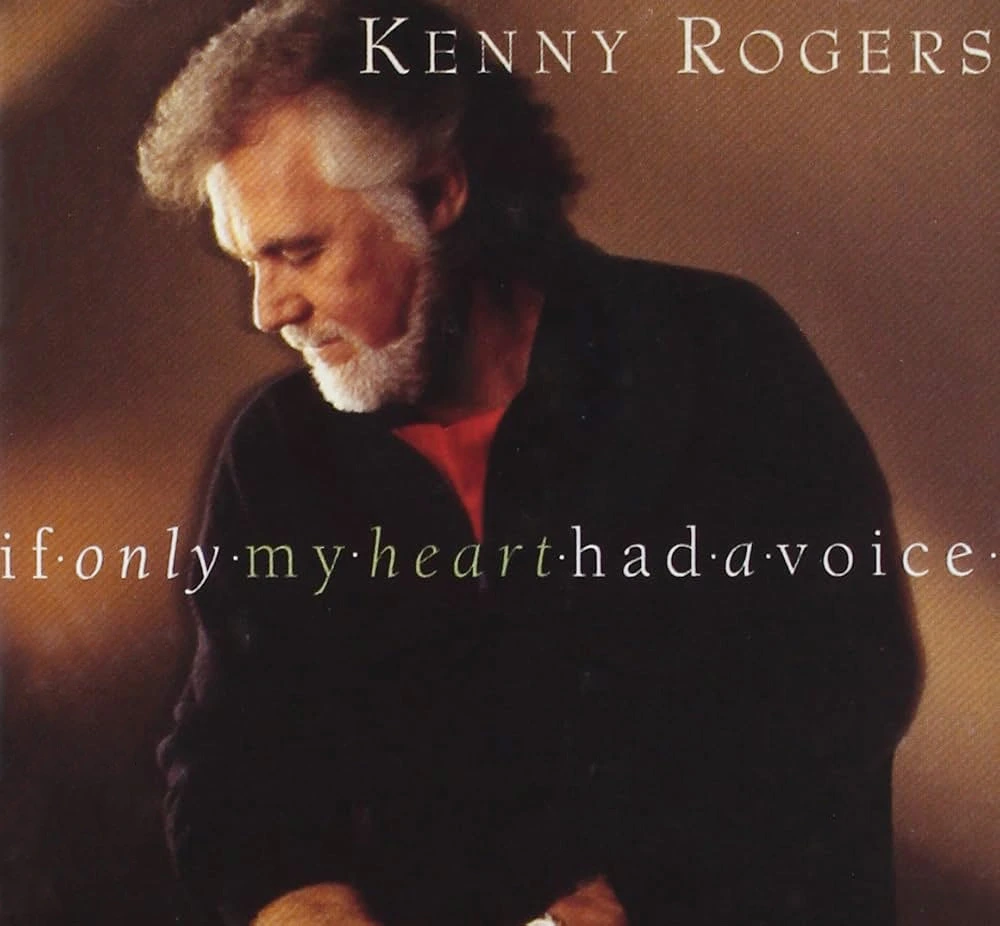
IF ONLY MY HEART HAD A VOICE
Kenny Rogers
Released: April 13, 1993
Produced by Larry Butler & James Stroud
If Only My Heart Had a Voice (Giant Records) reunited Kenny Rogers with his former longtime producer, Larry Butler (who was at the helm for many of Rogers' most successful singles and albums, including "The Gambler," "Lucille," and "She Believes In Me") and for the first time, producer James Stroud. The title cut of the album, co-written by Rogers with Rick Bowles and Skip Ewing, is a standout, as is "Ol' Red"; "If I Were You," the duet with Travis Tritt (co-written by Billy Dean); "Missing You," the Kim Carnes/Colin Ellingson song "Wanderin' Man" and "Somebody's Wrong Somebody's Right" (a song solely written by Butler).
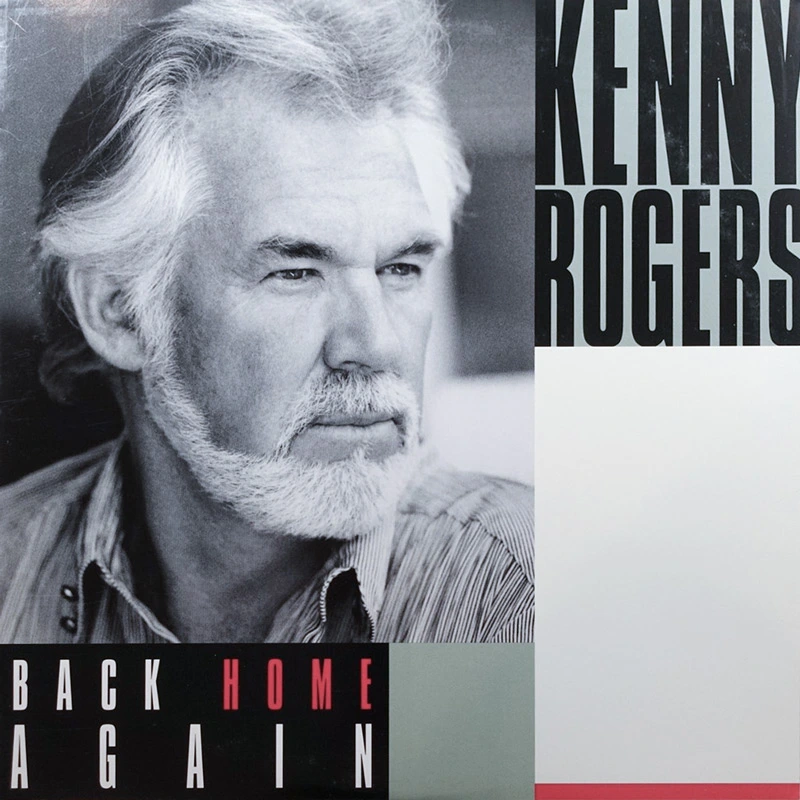
BACK HOME AGAIN
Kenny Rogers
Released: November 16, 1991
Produced by Jim Ed Norman & Eric Prestidge
Kenny Rogers once again found country radio chart success with the release of Back Home Again (Reprise Records)—and the sing-a-long first single, "If You Want To Find Love" (co-written by Rogers, Skip Ewing, and Max D. Barnes). The song reached #11 on the Billboard US Hot Country Songs chart and was also a Top 15 country hit in Canada. Rogers re-recorded the Mickey Newbury composition "Sunshine," for this album, after initially recording it with his 60s/70s band, the First Edition. Steve Glassmeyer, longtime member of Kenny's touring band, Bloodline, contributes "I'll Be There For You," as a co-writer and songwriter/publisher Rex Benson, who would later pitch Rogers his comeback 2000 #1 hit "Buy Me A Rose," is a co-writer on "Bed of Roses," which was set to be a single before a change in promo plans. Trisha Yearwood co-wrote the album closer, "How Do I Break It To My Heart." Guest vocalists include Larry Stewart of Restless Heart, Rudy & Steve Gatlin of Larry Gatlin and the Gatlin Brothers, Terry McBride & Billy Thomas of McBride & The Ride, Linda Davis and The Branson Brothers.
Produced by Jim Ed Norman & Eric Prestidge
Kenny Rogers once again found country radio chart success with the release of Back Home Again (Reprise Records)—and the sing-a-long first single, "If You Want To Find Love" (co-written by Rogers, Skip Ewing, and Max D. Barnes). The song reached #11 on the Billboard US Hot Country Songs chart and was also a Top 15 country hit in Canada. Rogers re-recorded the Mickey Newbury composition "Sunshine," for this album, after initially recording it with his 60s/70s band, the First Edition. Steve Glassmeyer, longtime member of Kenny's touring band, Bloodline, contributes "I'll Be There For You," as a co-writer and songwriter/publisher Rex Benson, who would later pitch Rogers his comeback 2000 #1 hit "Buy Me A Rose," is a co-writer on "Bed of Roses," which was set to be a single before a change in promo plans. Trisha Yearwood co-wrote the album closer, "How Do I Break It To My Heart." Guest vocalists include Larry Stewart of Restless Heart, Rudy & Steve Gatlin of Larry Gatlin and the Gatlin Brothers, Terry McBride & Billy Thomas of McBride & The Ride, Linda Davis and The Branson Brothers.
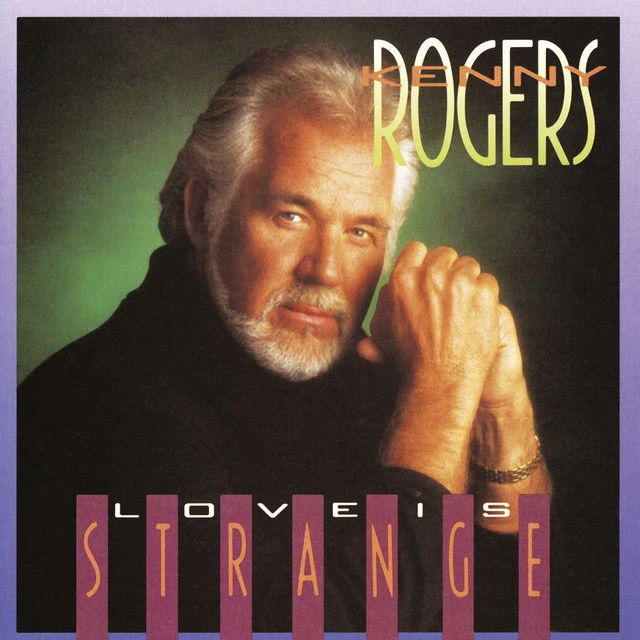
LOVE IS STRANGE
Kenny Rogers
Released: September 11, 1990
Produced by Jim Ed Norman & Eric Prestidge
Powered by the Top 10 Adult Contemporary hit, "Crazy In Love" and the title cut with Dolly Parton that peaked at #21 (U.S. Country) and #14 (Canada Country)—the first Kenny & Dolly duet since 1985's chart-topping "Real Love"—Love Is Strange (Reprise Records) cracked the Top 25 on the Billboard Top Country Albums chart. Surprisingly, the follow-up country singles: "Lay My Body Down," co-written by Bob Morrison ("You Decorated My Life") and "What I Did For Love," co-written by Brent Maher, a frequent collaborator of Rogers in later years, did not chart. Performing guest harmony vocals on "Soldier Of Love" and "What I Did For Love" is Vince Gill.
Produced by Jim Ed Norman & Eric Prestidge
Powered by the Top 10 Adult Contemporary hit, "Crazy In Love" and the title cut with Dolly Parton that peaked at #21 (U.S. Country) and #14 (Canada Country)—the first Kenny & Dolly duet since 1985's chart-topping "Real Love"—Love Is Strange (Reprise Records) cracked the Top 25 on the Billboard Top Country Albums chart. Surprisingly, the follow-up country singles: "Lay My Body Down," co-written by Bob Morrison ("You Decorated My Life") and "What I Did For Love," co-written by Brent Maher, a frequent collaborator of Rogers in later years, did not chart. Performing guest harmony vocals on "Soldier Of Love" and "What I Did For Love" is Vince Gill.
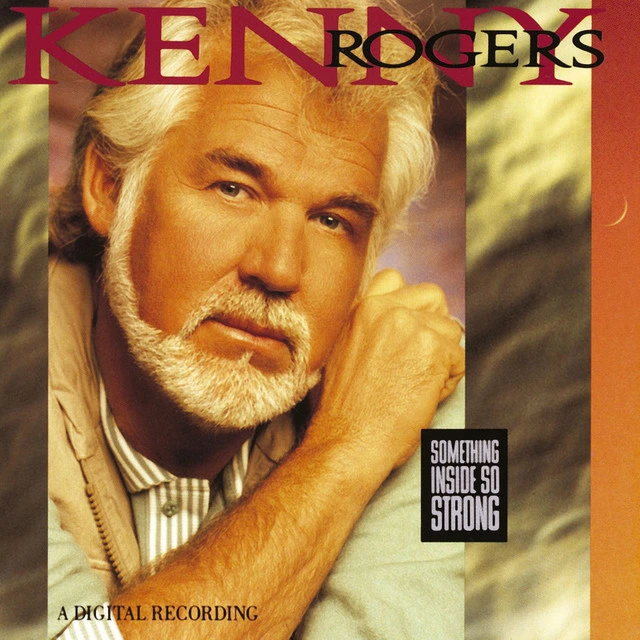
SOMETHING INSIDE SO STRONG
Kenny Rogers
Released: May 2, 1989
1989 ACM AWARD NOMINATION: "Planet Texas" -
Kenny Rogers (Artist), Amanda Temple (Producer), Julian Temple (Director) - Country Music Video of the Year
Produced by Jim Ed Norman & Steve Dorff
Never one to rest on his laurels, Kenny Rogers' Something Inside So Strong (Reprise Records) has something for everybody, including the Top 10 smash (and popular wedding song) "The Vows Go Unbroken (Always True To You") plus dynamic duets with Gladys Knight ("If I Knew Then [What I Know Now]"), Anne Murray ("If I Ever Fall In Love Again"), Holly Dunn ("Maybe"), and Ronald Isley ("Love The Way You Do"). Lead-off single "When You Put Your Heart In It" was a #17 Adult Contemporary and #26 country hit...then came "Planet Texas" (#30 U.S. Country)...followed by "The Vows Go Unbroken," "If I Ever Fall In Love Again" (#28 U.S. Country and a Top 10 country and AC hit in Murray's native Canada) and "Maybe" (#25 U.S. Country).
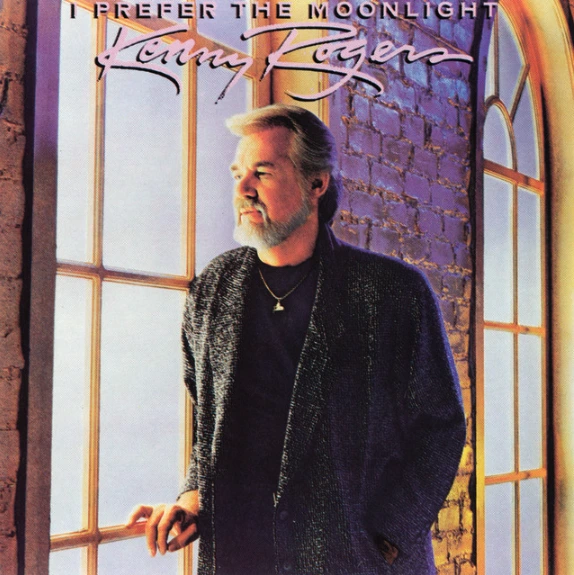
I PREFER THE MOONLIGHT
Kenny Rogers
Released: August 3, 1987
Produced by Brown Bannister, Larry Butler, Rob Galbraith, Richard Landis, Kyle Lehning, Brent Maher
The GRAMMY® Award-winning #1 (U.S. & Canada) Kenny Rogers-Ronnie Milsap duet, "Make No Mistake, She's Mine" (Best Country Collaboration with Vocals), written by Kim Carnes and produced by Rob Galbraith and Kyle Lehning, is one of many bright spots found within I Prefer the Moonlight, Rogers' final album for RCA Records. The follow-up single title track with Carnes as a guest backing vocalist and Brown Bannister producing missed landing the coveted top position on the chart by one slot but was still a massive hit and "The Factory" (produced by Larry Butler) continued Rogers' white hot chart streak as a #6 hit on the Billboard Hot Country Singles & Tracks chart. Juice Newton, Rogers' former label mate at Capitol Records, added harmony vocals on "We Fell In Love Anyway."
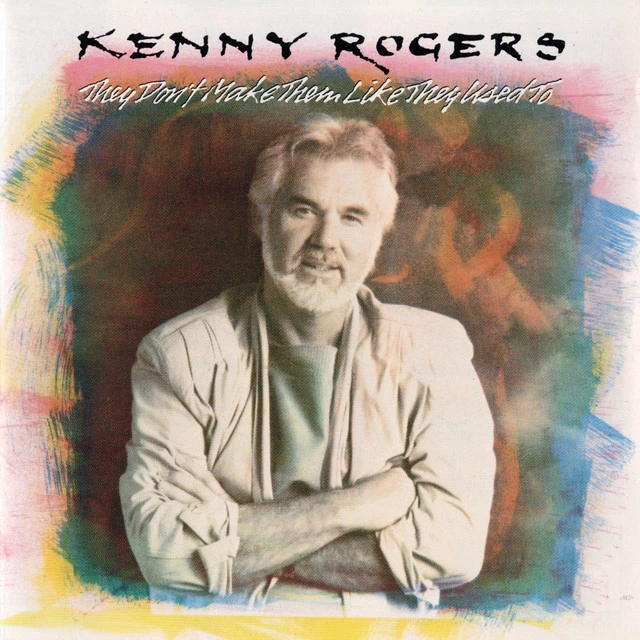
THEY DON'T MAKE THEM LIKE THEY USED TO
Kenny Rogers
Released: November 3, 1986
Produced by Jay Graydon, Burt Bacharach, Carole Bayer Sager, Kenny Mims, David Malloy
They Don't Make Them Like They Used To (RCA Records) broke the Top 20 on the country album charts (and crossed over into the pop Billboard 200) with the #2 Hot Country and #15 Adult Contemporary hit "Twenty Years Ago" (Chicago's Bill Champlin joined Rogers as a guest vocalist on the song). The majority of the album was produced by GRAMMY® Award-winning guitarist, songwriter, and producer Jay Graydon, who co-wrote "Turn Your Love Around" by George Benson and "After The Love Has Gone" by Earth, Wind & Fire. The title track of Rogers' 1986 album, written and produced by Burt Bacharach and Carole Bayer Sager, was the theme song to the box office hit motion picture Tough Guys and released as a single that was successful on the Adult Contemporary chart. Interestingly, the song "You're My Love" (featuring El DeBarge on backing vocals) was written by Prince under the pseudonym "Joey Coco" and given to Rogers to record, at his request. Rogers said Prince (unsurprisingly) played all instruments and sang all parts on the original demo he had first sent Rogers, but over the years the demo was misplaced, much to The Gambler's dismay. The list of backing vocalists on They Don't Make Them Like They Used To is impressive—in addition to Champlin (on four songs) and DeBarge, Mr. Mister's frontman and renowned rock/pop studio harmony vocalist Richard Page lends his talents, as does Jason Scheff (who had just replaced Peter Cetera in Chicago a year prior), Peter Beckett of Player (and co-writer of the band's smash "Baby Come Back"), and Kin Vassy (Rogers' former bandmate in Kenny Rogers and the First Edition). An all-star guitar lineup of Graydon, Toto's Steve Lukather, Michael Landau, Dann Huff, Billy Joe Walker Jr., and Kenny Mims played on the album, along with other master musicians including Michael Omartian (keyboards), bass players Abraham Laboriel, Nathan East and Neil Stubenhaus, and drummers Carlos Vega and John "JR" Robinson.
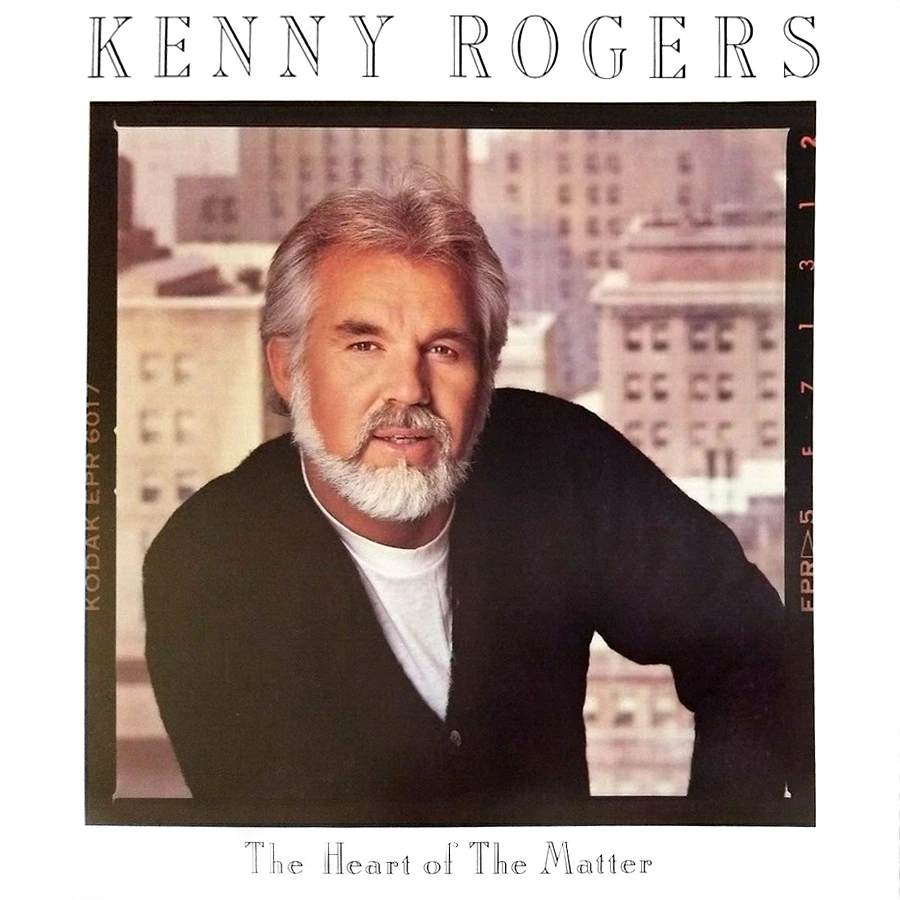
THE HEART OF THE MATTER
Kenny Rogers
Released: September 30, 1985
Produced by Sir George Martin
Produced by the "fifth Beatle" Sir George Martin, Kenny Rogers' The Heart of the Matter (RCA Records) produced two #1 country hits: "Morning Desire"—the only country #1 featuring a string arrangement by Martin—which also reached #8 on the Adult Contemporary chart and #72 on the Pop chart and "Tomb Of The Unknown Love." Rogers once said "it may be the highlight of my personal career" when recalling his collaboration working in the studio with Martin, adding upon Martin's passing in 2016: "He was a wonderful, incredibly gifted person...he brought a whole different touch to my life and my perspective of music...I don't know why he ever bothered to do an album with me, but I was thrilled and touched that he did, and I loved working with him...I'm only one of millions who will miss him greatly." The Heart of the Matter includes two songs written by singer/songwriter Dave Loggins (known for his hit "Please Come to Boston" and writing songs for Jimmy Buffett, Reba McEntire, Alabama, and Don Williams) including the smash "Morning Desire" and "You Made Me Feel Love." The song that opens Side 2 of the vinyl: "The Best of Me" (written by David Foster, Jeremy Lubbock & Richard Marx) was eventually released as a single twice by other artists, becoming a Top 10 hit for both Foster & Olivia Newton-John in 1986 and Cliff Richard in 1989 (the song would later be cut by Barry Manilow and Michael Bublé and performed live in concert by Marx). Kenny Rogers Jr. joined his father in the recording studio and provided backing vocals for "You Made Me Feel Love" and "I Can't Believe Your Eyes." Other backing vocalists contributing their signature voices to The Heart of the Matter recording sessions included Richard Marx, Herb Pedersen (John Fogerty, Mudcrutch with Tom Petty, Gram Parsons, Linda Ronstadt, Stephen Stills), and on most of the album, you can hear the voices of Rogers' former First Edition bandmates Kin Vassy and Terry Williams effortlessly blending with Rogers' voice. Recorded partially at Rogers' own Lion Share Studios in Los Angeles, California, The Heart of the Matter was his 11th album to reach the coveted #1 spot on Billboard's Top Country Albums chart. Rogers' enduring popularity in the mid-'80s was on full display with this release.
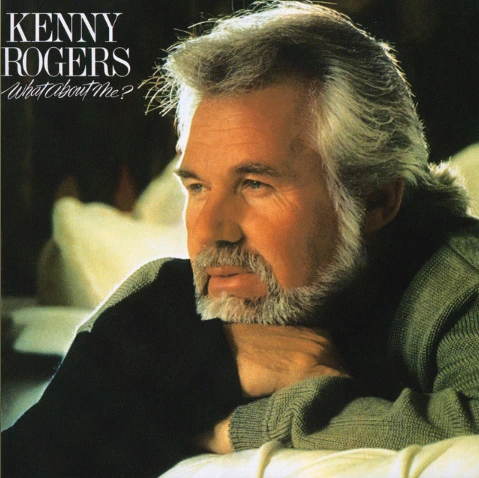
WHAT ABOUT ME?
Kenny Rogers
Released: August 27, 1984
Produced by Kenny Rogers & David Foster
A successful collaborative streak with Kenny Rogers' former The New Christy Minstrels bandmate and GRAMMY® Award winner Kim Carnes continued in full force with the August 27, 1984 arrival of the country and pop superstar's second album on RCA Records: What About Me?, produced by Rogers and David Foster. The title track written by Rogers, Foster, and Richard Marx and performed as a trio featuring Rogers, Carnes and R&B singer James Ingram, a GRAMMY® Award-winning, two-time Academy Award nominee, momentously launched the project as the first single from the album, reaching #1 on the Billboard Adult Contemporary chart (giving Marx his first #1 hit as a songwriter) and #15 on the Billboard Hot 100 (pop) chart. Marx and Rogers teamed up for the second consecutive #1 hit from the album: "Crazy," which rocketed to the top spot on the Billboard Hot Country Songs chart and peaked at #5 on the Billboard Adult Contemporary chart. Rogers covered Dolly Parton's self-penned story song "The Stranger" on the album, which continued Rogers' long Platinum streak, quickly selling over a million copies.
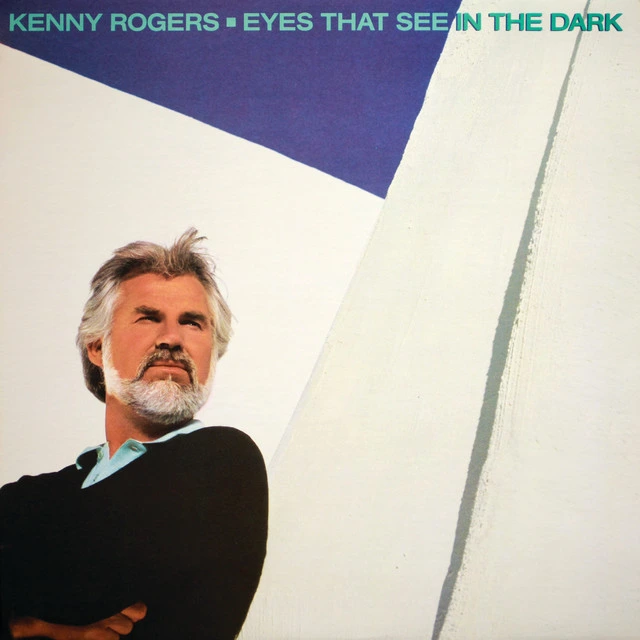
EYES THAT SEE IN THE DARK
Kenny Rogers
Released: August 22, 1983
1984 ACM AWARD: "Islands In The Stream" -
Kenny Rogers & Dolly Parton - Best Pop Performance By A Duo Or Group With Vocal
Producers: Barry Gibb, Albhy Galuten, & Karl Richardson (RCA Records)
1984 AMERICAN MUSIC AWARD: "Islands In The Stream" -
Kenny Rogers & Dolly Parton - Favorite Country Song
1985 AMERICAN MUSIC AWARD:
Kenny Rogers - Favorite Country Album - Eyes That See In The Dark
1985 AMERICAN MUSIC AWARD: Eyes That See In The Dark
Kenny Rogers - Favorite Country Male Artist
1985 AMERICAN MUSIC AWARD: "Islands In The Stream" -
Kenny Rogers & Dolly Parton - Favorite Country Song
1984 GRAMMY® AWARD NOMINATION: "Islands In The Stream" -
Kenny Rogers & Dolly Parton - Single Record of the Year
Producers: Barry Gibb, Albhy Galuten, & Karl Richardson (RCA Records)
1984 CMA AWARD NOMINATION: "Islands In The Stream" -
Kenny Rogers & Dolly Parton - Single of the Year
Producers: Barry Gibb, Albhy Galuten, & Karl Richardson, Mixing Engineer: Jeff McCormack (RCA Records)
1984 CMA AWARD NOMINATION:
Kenny Rogers & Dolly Parton - Vocal Duo of the Year
1984 ACM AWARD NOMINATION:
Kenny Rogers - Top Male Vocalist
2005 CMT BEST DUET OF ALL TIME: "Islands In The Stream" -
Kenny Rogers & Dolly Parton
2024 ROLLING STONE 200 GREATEST COUNTRY SONGS OF ALL TIME (#104):
"Islands In The Stream" - Kenny Rogers & Dolly Parton
Produced by Gibb-Galuten-Richardson (Barry Gibb, Albhy Galuten, & Karl Richardson)
Eyes That See in the Dark (RCA Records), produced by the extraordinary production team of Barry Gibb of the Bee Gees, Albhy Galuten, & Karl Richardson, peaked at #1 in late October 1983 and commanded the top spot for an incredible 16 weeks. Rogers was known for finding a balanced blend of pop and country early in his solo career that gave him mass appeal and as a result, his singles and albums would routinely perform well on the all-genre, country and adult contemporary charts.
With Eyes That See In The Dark, that formula was taken to a whole new level driven by the insanely catchy duet with Dolly Parton, "Islands in the Stream"—a single written by the Bee Gees (Barry Gibb, Robin Gibb, & Maurice Gibb) that reached astonishing levels of success in the United States as a four-week #1 on the Billboard Adult Contemporary chart, three-week #1 on the Billboard Country chart (plus the #1 country chart song of 1983) and two-week #1 on the Billboard Hot 100 (Pop) chart en route to becoming a worldwide smash. The song hit #1 in Australia, Austria, and Canada; #2 in New Zealand, Norway and Ireland; and charted inside the Top 5 in Sweden, Belgium, Netherlands, South Africa and Venezuela. "Islands In The Stream" has been certified 3x Platinum in the U.S. (3,000,000 units/sales); 3x Platinum in the UK (1,800,000 units/sales); and 3x Platinum in Canada (240,000 units/sales). "Islands In The Stream" earned Rogers & Parton an ACM Award win, two American Music Awards, a GRAMMY® nomination and in 2005, CMT named the song its Best Duet of All Time. The song was recorded at the Bee Gees' personal studio, Middle Ear, in Miami, Rogers' own Lion Share Studios in Los Angeles and Ocean Way in Hollywood.
Eyes That See In The Dark, which featured harmony vocals from the Bee Gees, as well as contributions on acoustic guitar by Barry Gibb and bass, guitar and synthesizer work by Maurice Gibb, also included the hits "This Woman" (#2 Billboard Adult Contemporary, #23 Billboard Pop); "Buried Treasure" (#3 Billboard Country); "Evening Star" (#11 Billboard Country), & "Eyes That See In The Dark" (#4 Billboard Adult Contemporary, #30 Billboard Country). The Gatlin Brothers contributed background vocals on "Buried Treasure" and "Evening Star," though Barry and Maurice Gibb's backing vocals can also be heard on those tracks, as the original demo of the song was mixed into the final studio recording.
Eyes That See In The Dark earned Rogers an American Music Award for Favorite Country Album in 1985 and helped him score the American Music Award that same year for Favorite Country Male Artist as well as a 1984 ACM Award nomination for Top Male Vocalist.
Rogers once said of Gibb: "I am a Barry Gibb fan. He is a very talented musician and has always been so great to me. A friend for life. I look back fondly on the memories I have of working with Barry on my Eyes That See In The Dark album. It was an honor having Barry with me at my induction into the Country Music Hall of Fame."
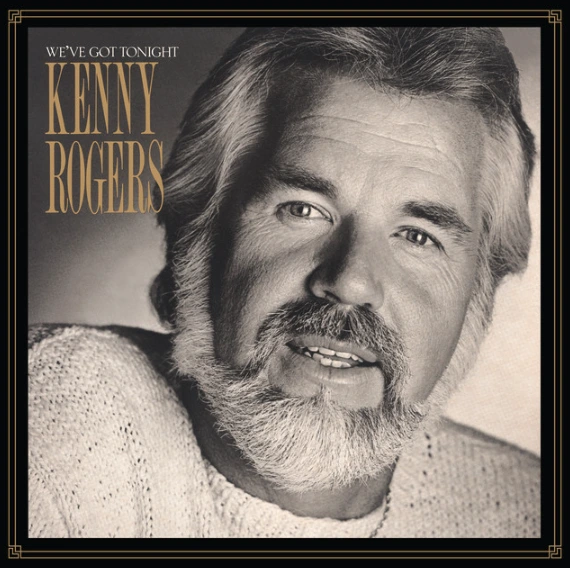
WE'VE GOT TONIGHT
Kenny Rogers
Released: January 24, 1983
1984 GRAMMY® AWARD NOMINATION: "All My Life" -
Kenny Rogers - Best Country Vocal Performance, Male
1984 ACM AWARD NOMINATION:
Kenny Rogers - Top Male Vocalist
Produced by David Foster, Kenny Rogers, Lionel Richie, Brent Maher, Randy Goodrum, James Anthony Carmichael
We've Got Tonight (Liberty Records) includes the #1 Country, #2 Adult Contemporary and #6 Billboard Hot 100 title track duet with Sheena Easton, "We've Got Tonight" (penned by Bob Seger) that became a big hit in many other parts of the world, including Canada, Norway, Australia, Austria, New Zealand, Ireland and Belgium. The album shot to #3 on the country chart and #18 on the main Billboard (pop) album chart, quickly attaining Platinum status, and the momentum continued with the second single—an eventual GRAMMY®-nominated #1 hit ballad, "All My Life"—a song that showcases Rogers' powerful and far-reaching voice like perhaps never before. Also included is the Top 5 country hit, "Scarlet Fever"; a cover of "You Are So Beautiful" that frequently found a place in Rogers' concert set lists during this period; and "How Long," a song solely written and produced by close friend and R&B legend Lionel Richie of The Commodores, who had become a frequent collaborator by this time for good reason following the success of such Richie-produced hits as "Lady," "Through The Years," "I Don't Need You," and "Share Your Love With Me."
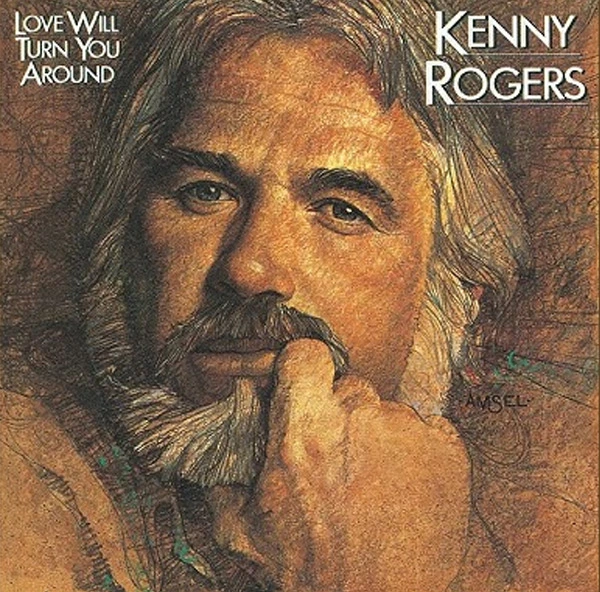
LOVE WILL TURN YOU AROUND
Kenny Rogers
Love Will Turn You Around was released on August 1982 by Liberty Records. Produced by Kenny Rogers, the album includes the title track and "A Love Song." It reached No. 1 on the Country charts and showcases Rogers' continued success into the '80s.
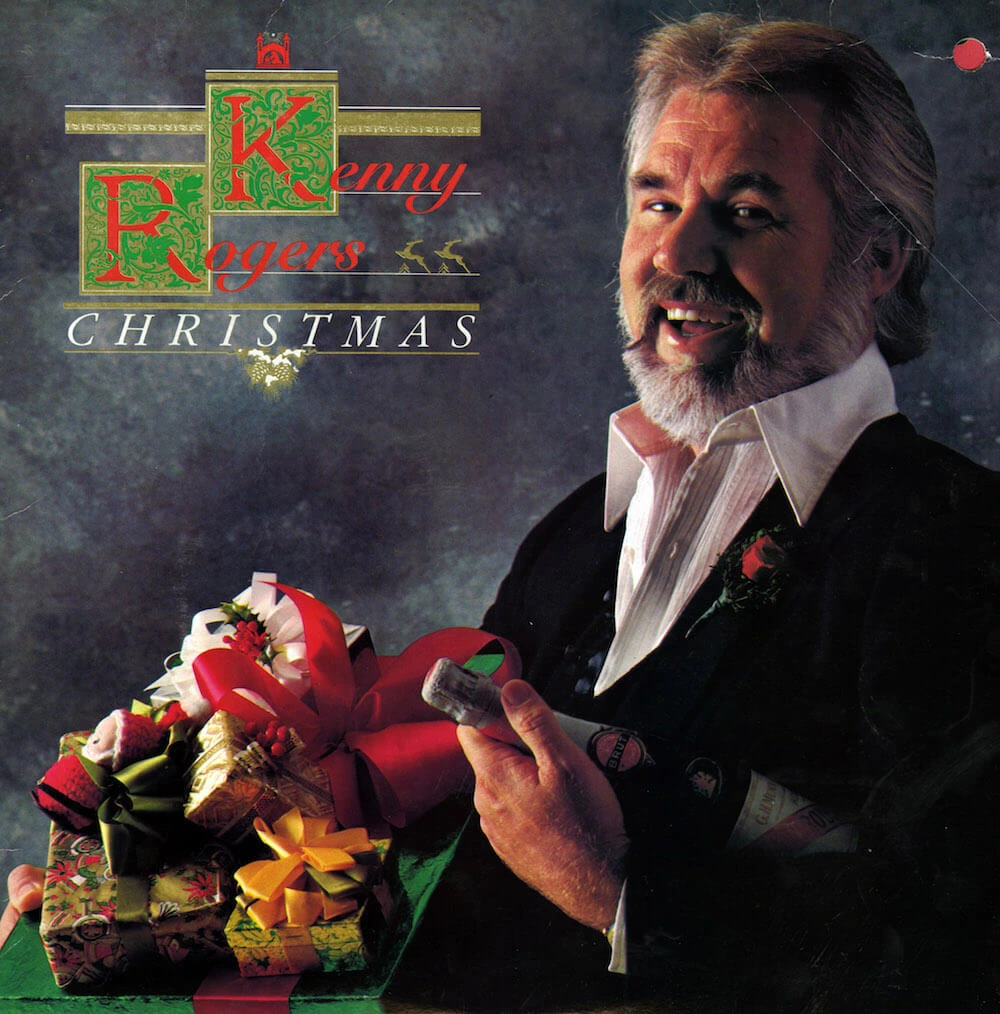
CHRISTMAS
Kenny Rogers
Release: January 1, 1981
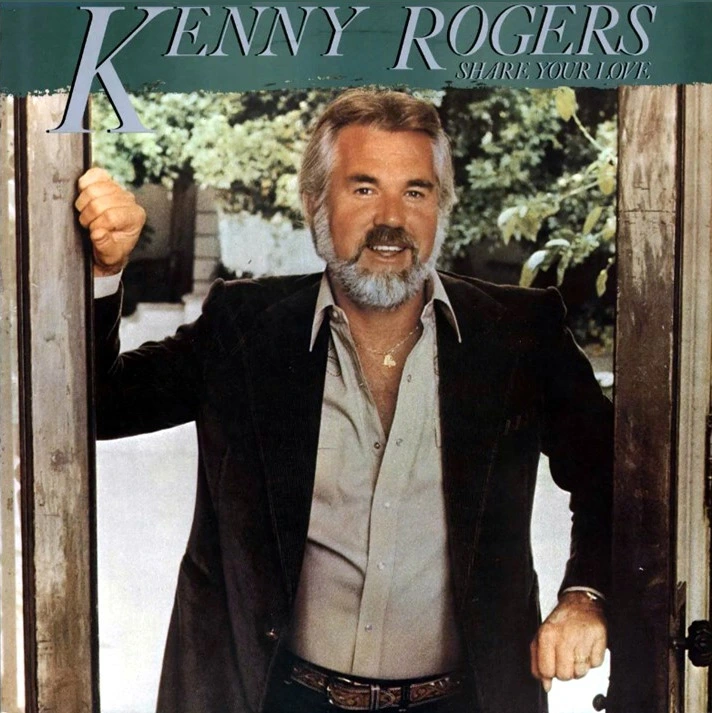
SHARE YOUR LOVE
Kenny Rogers
Share Your Love was released on August 1981 by Liberty Records. Produced by Lionel Richie, the album includes hits like "I Don't Need You" and "Through the Years." It reached No. 1 on the Country charts, further solidifying Rogers' status as a music icon.
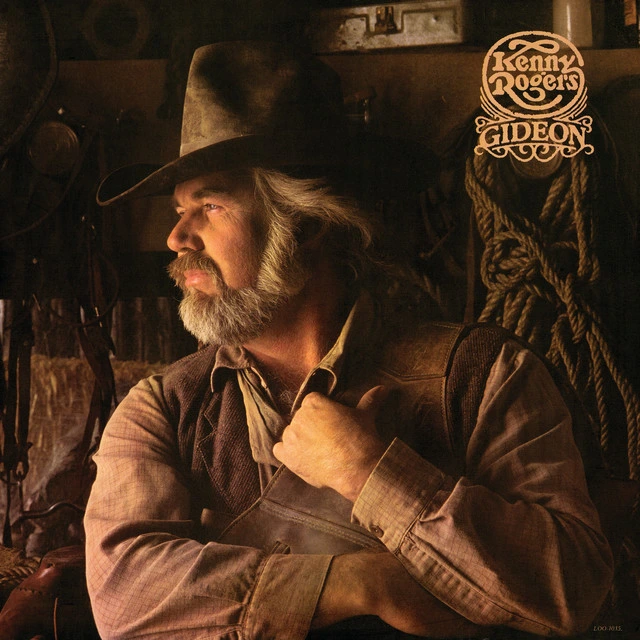
GIDEON
Kenny Rogers
Gideon was released on April 1980 by Liberty Records. The album includes tracks like "Don't Fall in Love with a Dreamer" featuring Kim Carnes.
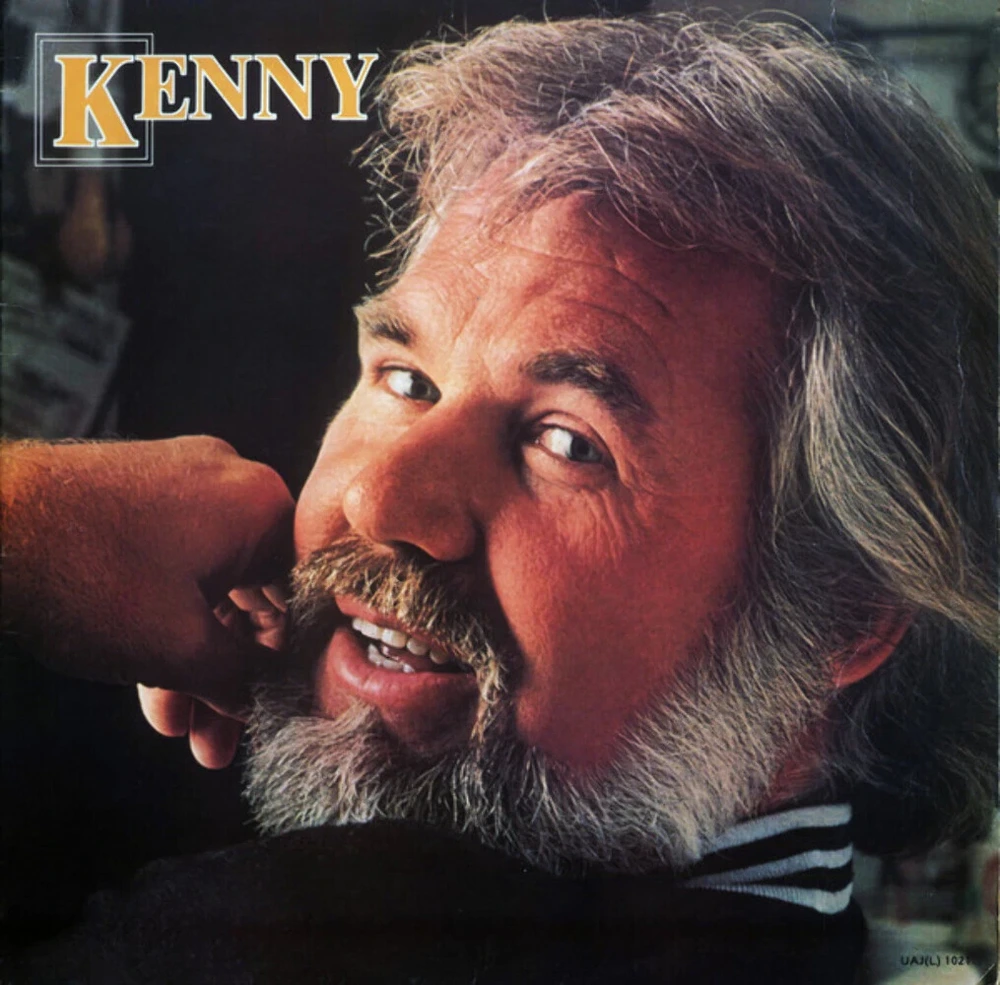
KENNY
Kenny Rogers
Kenny was released on September 1979 by United Artists Records. The album includes hits like "Coward of the County" and "You Decorated My Life." It reached No. 1 on the Country charts and showcases Rogers' continued success in the late '70s.
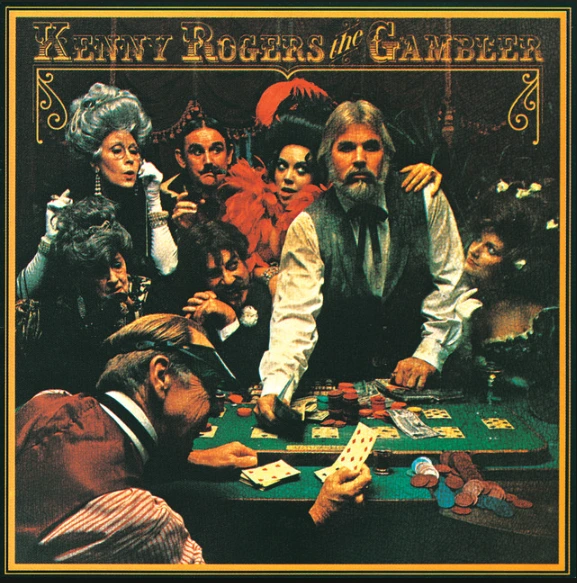
THE GAMBLER
Kenny Rogers
The Gambler was released on November 15, 1978 by United Artists Records. Produced by Larry Butler, the album includes the iconic title track, "The Gambler," which not only topped the country charts but also won a Song of the Year Grammy. The album itself reached No. 1 on the Country charts and became one of Rogers' most celebrated works.
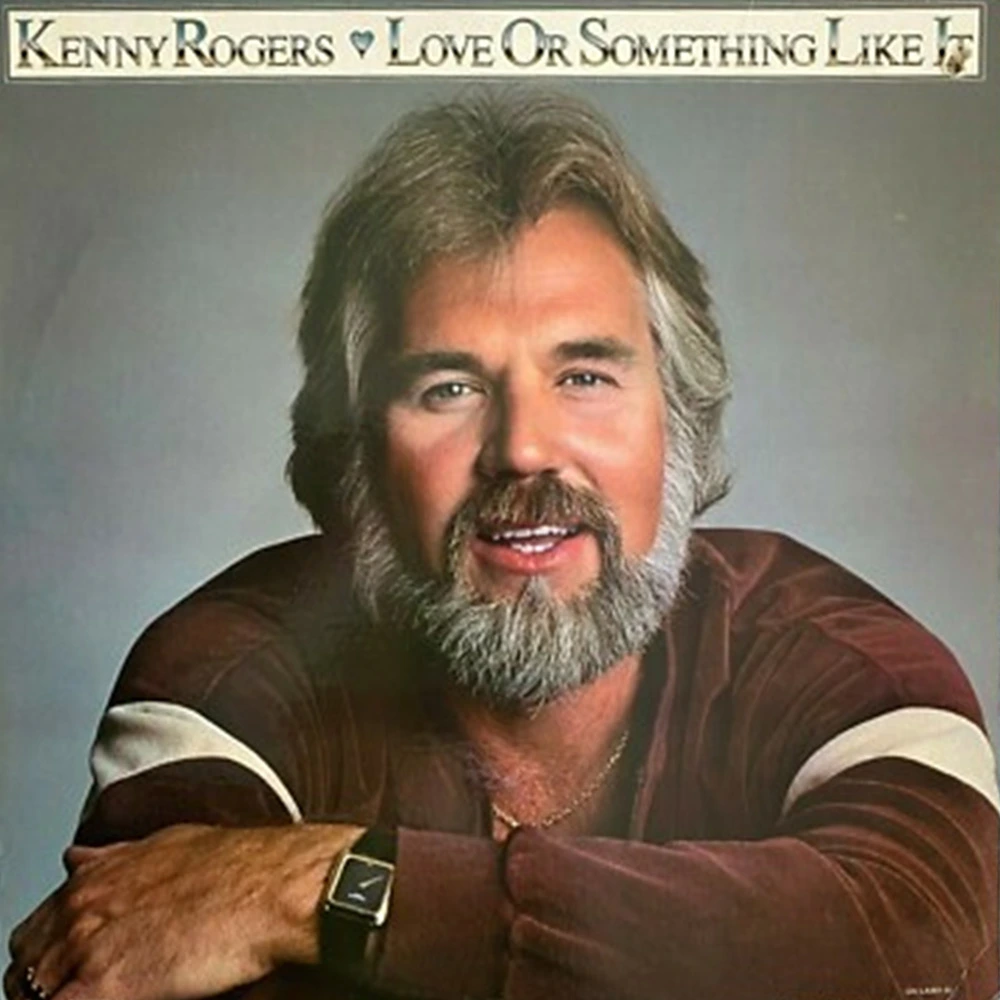
LOVE OR SOMETHING LIKE IT
Kenny Rogers
Love or Something Like It was released on August 1978 by United Artists Records. Produced by Larry Butler, the album includes tracks like "Love Or Something Like It" and "The Shirt." While the album didn't produce any charting singles, it contributed to Rogers' growing discography.
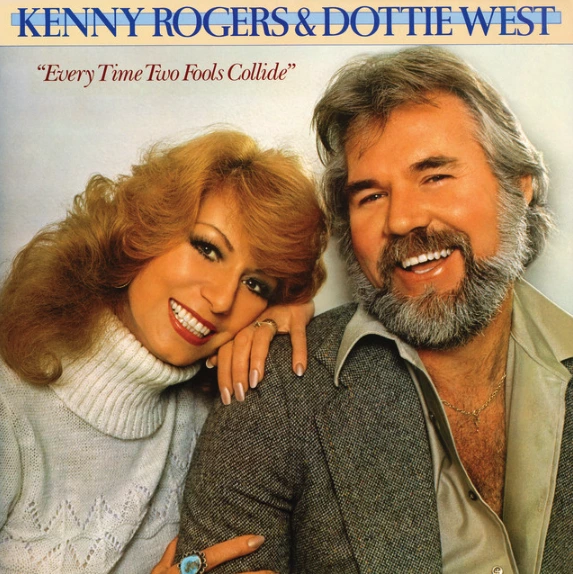
EVERY TIME TWO FOOLS COLLIDE
Kenny Rogers and Dottie West
Every Time Two Fools Collide was released on March 1978 by United Artists Records. Produced by Larry Butler, the album features Rogers' collaboration with Dottie West. The title track, a duet with West, became a chart-topping single, and the album reached No. 3 on the Country charts.
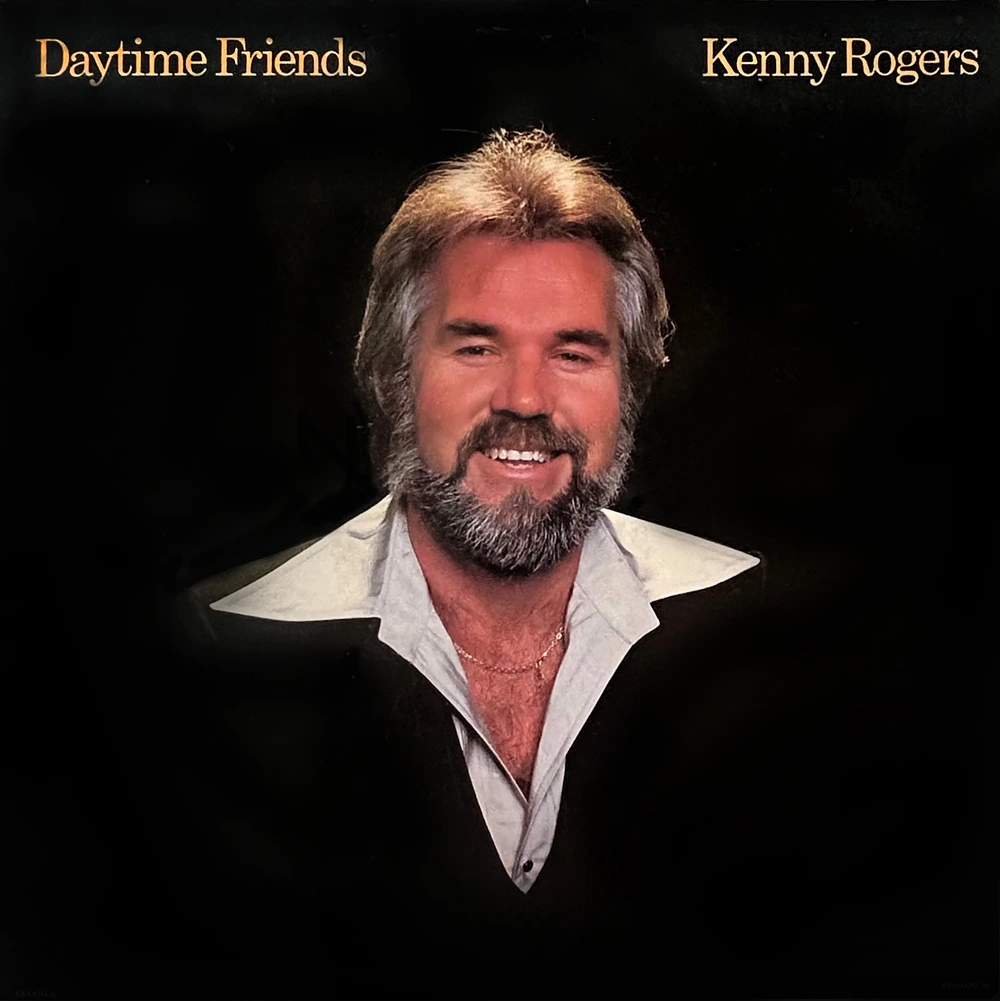
DAYTIME FRIENDS
Kenny Rogers
Daytime Friends was released on July 25, 1977 by United Artists Records. Produced by Larry Butler, the album produced two top 10 singles and reached No. 1 on the Country charts. The title track, "Daytime Friends," and "Sweet Music Man" became instant classics in Rogers' discography.
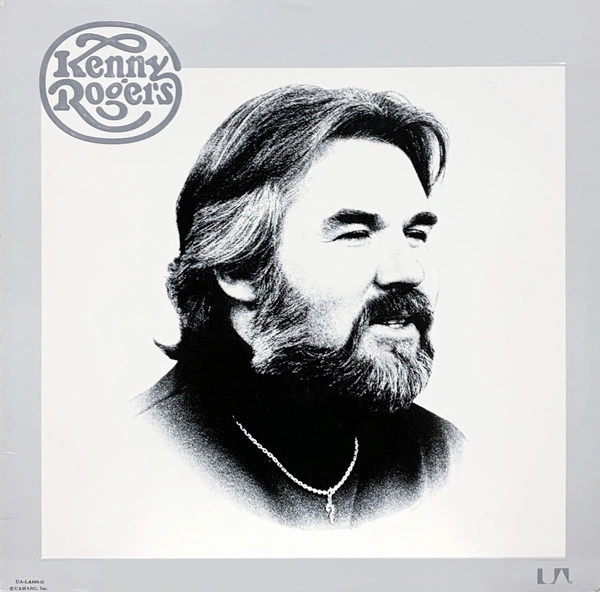
KENNY ROGERS
Kenny Rogers
Kenny Rogers was released on February 1977 by United Artists Group. Produced by Larry Butler, the album includes hits like "Laura (What He's Got That I Ain't Got?)" and "Lucille", the latter becoming one of Rogers' signature songs. The album reached No. 1 on the Country charts and established Rogers as a solo star.
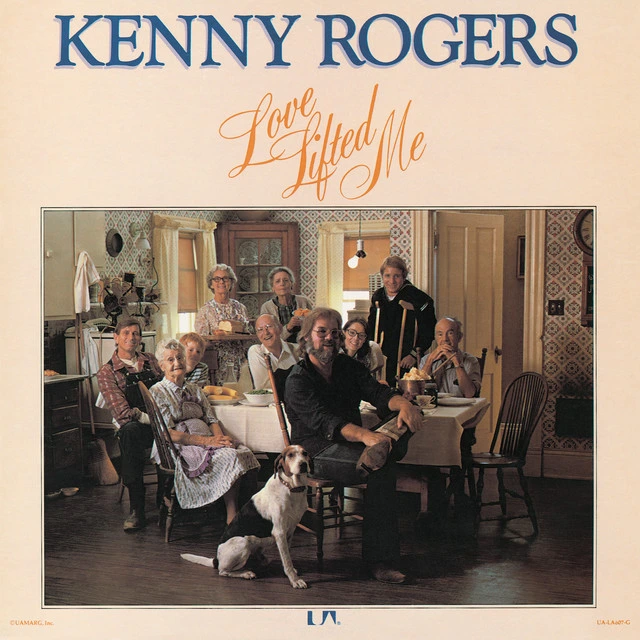
LOVE LIFTED ME
Kenny Rogers
Love Lifted Me was released on February 14, 1976 by United Artists Group. The album, produced by Larry Butler, includes tracks like "Love Lifted Me" and "Homemade Love". While the album didn't produce any charting singles, it marked an early milestone in Rogers' solo career.